Tesla Charger Installation in Richmond Hill
Most Tesla models accept up to 48 amps from a Wall Connector, and a 60-amp breaker in a Richmond Hill home is what delivers it, returning around 70 km of range an hour. Placement and a load calculation on your panel are what shape the job.
Published
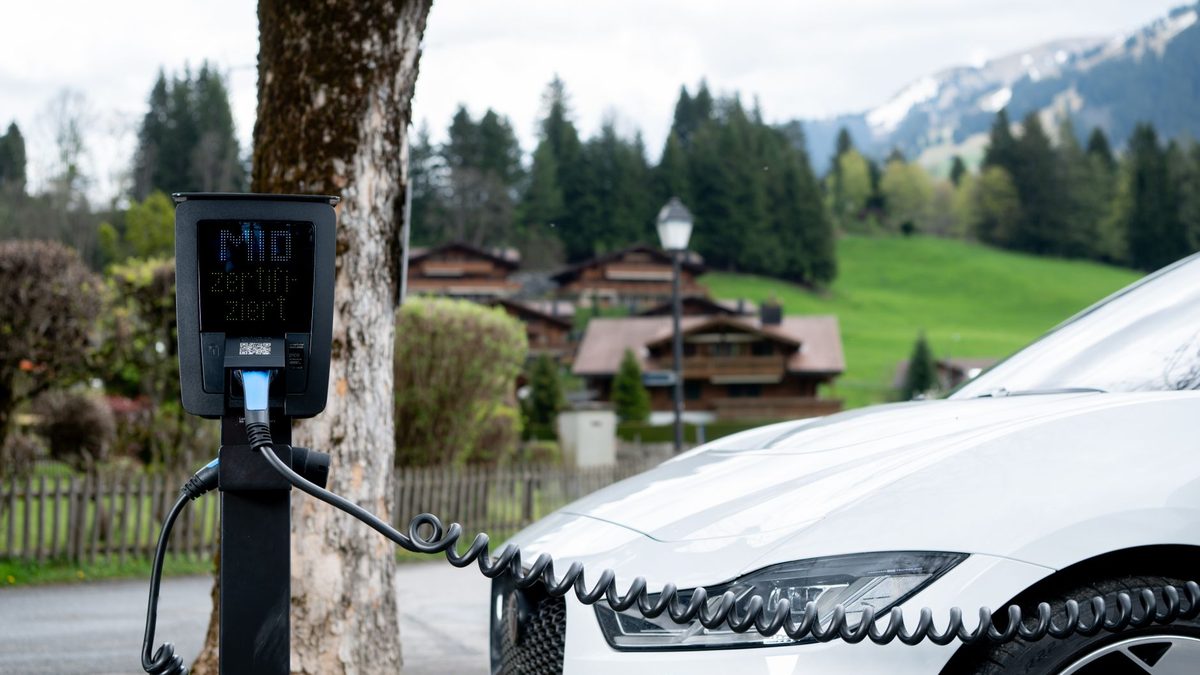
Tesla ownership is common across Richmond Hill, and the Wall Connector is the cleanest home answer for it. Richmond Hill EV Charger Pros installs the unit in garages and on exterior walls throughout town. It is a sleek, hard-wired charger that pairs natively with your car, and in a larger home the questions worth getting right are placement, panel capacity, and circuit sizing. This guide takes them in order.
Placement options in a larger home
Where the Wall Connector lives is the first decision, and Richmond Hill's housing stock gives you choices:
- Attached garage, panel nearby. The simplest job, a short run and a clean mount.
- Detached garage. We route the feed out to the garage, sometimes with a subpanel, and mount inside.
- Driveway or exterior wall. The unit carries an outdoor rating, so a weather-facing mount on a protected feed is fully in bounds.
Deeper lots mean the panel and the parking spot can sit far apart, so the placement conversation often comes down to the cable route as much as the wall itself.
Planning for two Teslas from the start
Two-Tesla households are not unusual in Richmond Hill, so it is worth settling before the first unit goes up. Multiple Wall Connectors can be linked to share one circuit, splitting the available power between cars automatically, which charges both without doubling the load on a panel that a larger home is already drawing on. Even if the second car is a year or two away, planning the circuit and the placement for power sharing now means the second mount is a quick add later rather than a re-wire. We flag this at the assessment so the first install does not box out the second.
How fast it charges
Wire the Wall Connector to a 60-amp breaker and it pulls up to 48 amps, which works out to about 70 km of range an hour on most Tesla models. For a Richmond Hill household that is far more than a single overnight needs, so a car parked low at midnight is full long before the morning run. Two things cap that figure, and neither is the charger itself. The first is the onboard charger inside your Tesla, which only accepts so many amps no matter how much the wall unit can push. The second is how much capacity your panel can spare for a 48-amp circuit. We size the breaker to whichever of those two is the real constraint, rather than fitting a 60-amp circuit the car or the service cannot actually use.
Panel capacity and the load calculation
This is where larger homes need care. A 48-amp circuit is a meaningful load, and a spacious Richmond Hill home may already carry central air, an electric range, and other big draws. We run a load calculation first. If the full 60-amp breaker will not fit, the Wall Connector's adjustable amperage often lets us set it lower and still install on the existing service. Where the service is genuinely tight, a panel upgrade or load management is the path, and a load-managing setup frequently avoids the upgrade altogether.
NACS and a mixed-vehicle driveway
The Wall Connector uses the NACS connector that Tesla vehicles take natively. If every car in the household is a Tesla, it is the obvious pick. If you run a mix, a universal Level 2 charger may suit the driveway better. We install both, so the recommendation reflects your fleet rather than a single product.
The Mobile Connector is not a substitute
Every Tesla comes with a Mobile Connector, the portable cord meant for the wall outlet. It earns its place on a road trip, but it is not the answer for charging a larger-battery Tesla at home night after night. Plugged into an ordinary outlet it manages only slow Level 1 speed, and getting it up to Level 2 means installing a dedicated 240-volt outlet such as a NEMA 14-50, a permitted job in its own right. For the fixed garage spot a household uses every day, the hard-wired Wall Connector is the faster, neater unit and carries the full 48 amps. Leave the Mobile Connector in the trunk for travel and let the Wall Connector do the nightly work.
What a clean install looks like
A proper job leaves no loose cable and no exposed wiring inside living space. We run conduit where the route is visible, mount the unit at a sensible height, and book the ESA inspection. EV charger installation should be completed by an ESA-licensed electrical contractor, and the Wall Connector is no exception.
What to send before requesting a quote
- The Tesla model, so we dial in the right amperage
- An open-door photo of the electrical panel
- The garage wall or exterior spot you have in mind for mounting
- Roughly how far the panel sits from that spot
Planning the Wall Connector around a larger home and maybe a second Tesla later? Send the panel photo and the mounting spot to our installation team on the quote form. We come back with the load calculation, the amperage we can support, a placement that leaves room to add a second unit, and one fixed price.
Frequently asked
How much does Tesla Wall Connector installation cost in Richmond Hill?+
Typically $1,300 to $2,700 here, permit and ESA inspection folded in, with the cable run and your panel setting where you land. The longer feeds in larger homes push toward the top, and if the service needs upgrading the figure rises, which the load calculation flags up front.
Can a Wall Connector go on a larger home's busy panel?+
Often yes. The Wall Connector has adjustable amperage, so after a load calculation we can set it to a level your service supports. If the full 60-amp circuit will not fit alongside central air and other big loads, dialling it down or adding load management usually avoids a panel upgrade.
Will a Wall Connector refill a larger-pack Tesla overnight in a Richmond Hill garage?+
Comfortably. Your Tesla's onboard charger tops out near 48 amps, a 60-amp breaker feeds it that, and the result is roughly 70 km of range an hour, so even a sizeable battery parked low at night is full well before the morning commute. Because that onboard limit, not the wall unit, sets the ceiling, we size the circuit to it rather than overbuild.
Can the Wall Connector be mounted outdoors?+
Yes, it carries an outdoor rating, which suits the deep lots and long driveways common in Richmond Hill where the parking spot sits well away from the house. We bring a weather-protected feed out to it and set the height and side so the cable reaches the charge port without being stretched across the car.
Wall Connector or a universal charger?+
If every vehicle in a two-car Richmond Hill household is a Tesla, the Wall Connector is the natural pick, and you can link a second one later to share the circuit. Run a mixed driveway, or expect a non-Tesla next, and a universal Level 2 unit is the more flexible call. The charging speed is the same either way, so it follows your fleet.