Outdoor EV Charger Installation in Richmond Hill
An outdoor EV charger in Richmond Hill means a weather-rated unit, a properly protected feed, and mounting that handles snow and freeze-thaw. Done right, a driveway charger runs reliably through every season.
Published
Updated
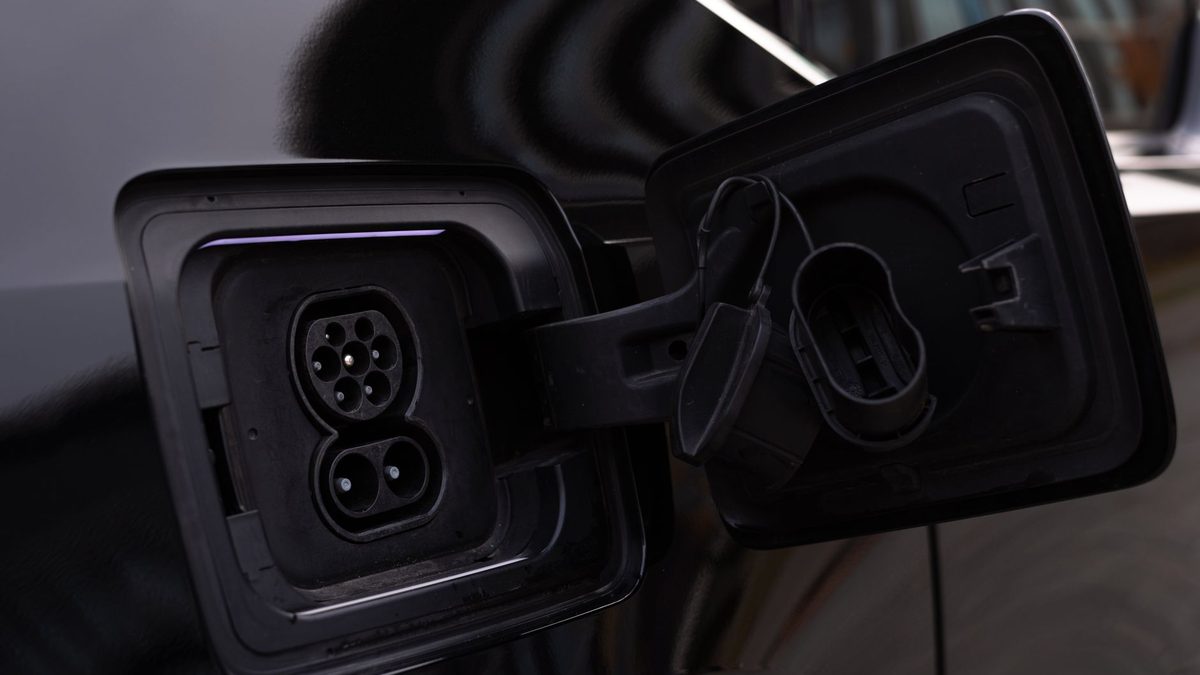
An outdoor charging project in Richmond Hill needs equipment rated for its location and a cable arrangement that fits how the car parks. Weather exposure, distance from the panel and walkway clearance shape the plan. This guide explains the placement and circuit questions to review.
Weather-rated chargers come first
An outdoor charger lives in the elements year round, so the unit and every connection must be rated for it. Your contractor should use outdoor-rated chargers, weatherproof enclosures, and proper sealing so rain, snow, and freeze-thaw cycles do not cause trouble. A Tesla Wall Connector or a universal Level 2 unit rated for outdoor use both work well. The cheapest unit is rarely the right one outdoors, where build quality and the enclosure rating directly affect how long the charger lasts.
Hard-wired or plug-in outdoors
Outdoors, a hard-wired charger is usually the cleaner, more durable choice, because there is no exposed outlet for moisture to reach. That said, a properly installed outdoor-rated 240-volt outlet with a weatherproof cover is a valid plug-in option if you want to be able to unplug the unit. Your contractor can recommend based on your charger, your driveway, and how exposed the spot is.
Mounting and placement
Placement decides how pleasant the charger is to live with. Your contractor should mount the unit at a comfortable height on a solid surface, position it so the cable reaches your charge port without strain, and keep it clear of where snow piles up off a roof or a plow. On a driveway install, getting the side and the reach right means you are not stretching the cable across the car every night.
Cable management in winter
Cable management matters more outdoors than in a garage. A cable left lying across the driveway gets driven over, buried in snow, and frozen into ice. Your contractor should mount a cable holster or hook so the connector sits off the ground, and your contractor should route any exposed wiring in conduit. Good cable management is what keeps the charger easy to use on a cold, dark February morning rather than a chore.
Snow, ice, and winter use
Richmond Hill winters are real, and an outdoor charger has to handle them. Quality outdoor-rated equipment is built to operate through snow and cold, and the connector and unit are sealed against moisture. A little seasonal habit helps: keep the unit and connector clear of built-up snow and ice, and give the cable a quick visual check for wear each season. If your vehicle supports preconditioning while plugged in, use its manufacturer settings. This can help prepare the cabin or battery; it is a vehicle capability, not a feature every smart charger controls. Whether the car reaches the selected charge level depends on energy needed, available power and time parked.
Panel capacity still applies
The fact that the charger is outdoors does not change your panel's capacity. A larger Richmond Hill home with central air, an electric range, and other big loads still needs a load calculation. Where the panel is tight, a load-managing smart charger keeps the driveway charger within safe limits, and where the service is full, a panel upgrade is the fix. The outdoor location simply adds the weather considerations on top of the usual electrical ones.
Permits and the ESA inspection
An outdoor charger or a new 240-volt outlet needs an electrical permit and an ESA inspection, both included in your written price. EV charger installation should be completed by a licensed electrical contractor, with the feed, terminations, and weather sealing all done to code and inspected. A properly inspected outdoor install also gives you clean records for insurance and resale. Done properly once, a driveway charger is reliable for years.
Installation facts and equipment guidance
ESA notification and contractor requirements explain electrical-work responsibilities. Manufacturer charging guidance explains why output varies by vehicle and power supply. Ask the confirmed contractor to apply those requirements to your Richmond Hill project.
First enquiry and later project review
Start with the short enquiry form: first name, preferred contact details and postal code. After first contact, the service provider may request the project details and photos below. The form does not take attachments.
- A photo of the driveway or exterior spot where you want the charger
- A photo of your panel with the door open
- The rough distance from the panel to that spot
- Whether you prefer a hard-wired unit or a plug-in outdoor setup
Start with Get A Free Quote. Your enquiry goes to the service provider, which may ask for panel and parking photos after first contact and confirms the contractor, scope, price and availability.
Frequently asked
Can an EV charger be installed outdoors in Richmond Hill?+
Yes. Driveway and exterior-wall charging is common, using an outdoor-rated charger fed from the home's panel. The keys are a weather-rated unit, sealed connections, sensible mounting, and good cable management, all of which a proper install handles.
Will an outdoor charger survive Richmond Hill winters?+
It will with the proper gear behind it. A unit carrying a genuine outdoor rating, paired with sealed terminations, is made to ride out the snow, freezing rain, and freeze-thaw a Richmond Hill winter throws at it. Your contractor should position it clear of where snow drops off the roof or a plow piles it, so the everyday February charge stays simple.
Should an outdoor charger be hard-wired or plug-in?+
Hard-wired is usually the cleaner outdoor choice, since there is no exposed outlet for moisture to reach. A properly installed outdoor-rated 240-volt outlet with a weatherproof cover is a valid plug-in option if you want to be able to unplug the unit. Your contractor should recommend based on your spot.
How do you manage the cable outdoors?+
Your contractor should mount a holster or hook so the connector sits off the ground, away from snow and traffic, and route any exposed wiring in conduit. Good cable management keeps the charger easy to use in winter rather than leaving the cable to freeze into the driveway.
Do I still need a load calculation for an outdoor charger?+
Yes. Moving the unit outdoors changes mounting and cable routing, while the household service still has to carry its demand. Assess that capacity before treating an exterior-wall position as ready for maximum output.