Level 2 EV Charger Installation in Richmond Hill
A Level 2 charger adds roughly 30 to 50 km of range per hour, enough to refill a large-battery EV overnight in a Richmond Hill garage no matter how spread out the day's driving was. For most households here it replaces public charging with a routine of simply plugging in at home.
Published
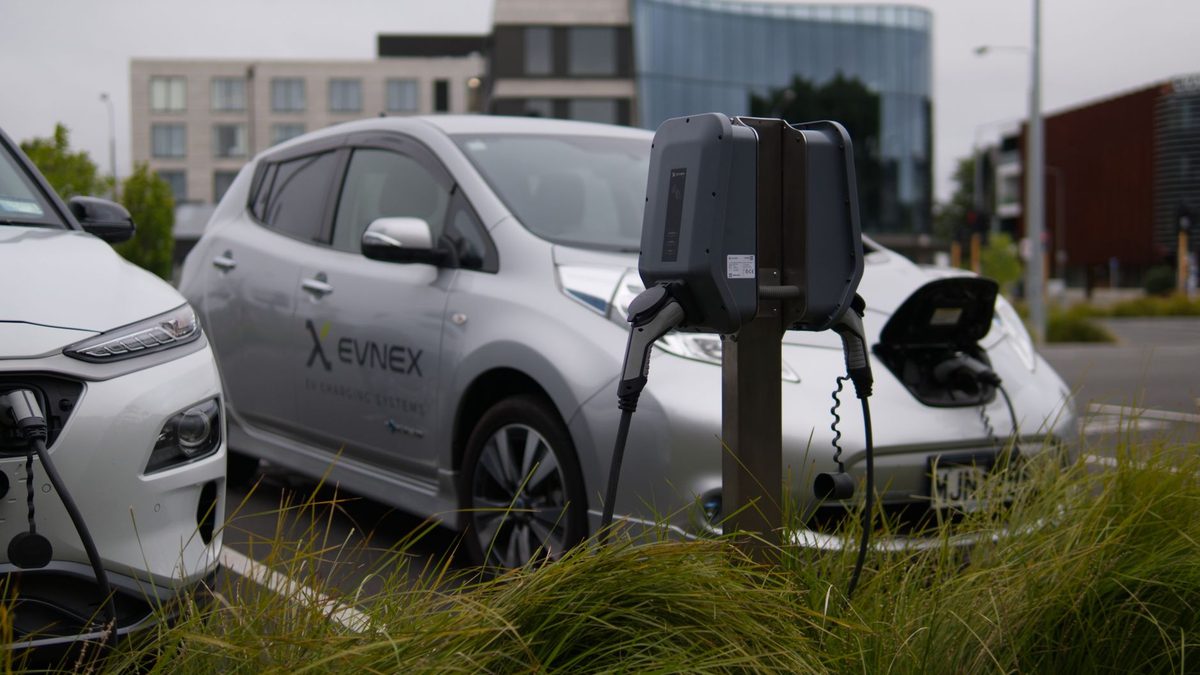
For a Richmond Hill household, Level 2 is the charging setup that fits the way people actually live here: a detached home, a garage, and an EV that needs to be ready every morning. Richmond Hill EV Charger Pros installs these units across town, swapping a slow 120-volt plug for a dedicated 240-volt circuit that fills the battery overnight. This guide covers the speed, the larger-home considerations, and how a clean install comes together.
Larger homes mean larger electrical loads
Here is where Richmond Hill differs from a townhouse build. A spacious detached home can already carry central air, electric range, a dryer, and sometimes a pool or hot tub. Adding a charger to that mix is where a load calculation earns its keep. We measure the existing demand against the proposed circuit before promising anything. Many local homes sit on a 200-amp service that takes a charger without fuss, and where a panel is closer to its limit, a smart charger with load management keeps everything within safe bounds.
The overnight math for a larger pack
With the panel side settled, the next question is whether the car is actually full by morning, and that is what settles Level 1 versus Level 2 in Richmond Hill. Work backward from a typical day here: a school run, a commute toward Toronto, errands across a spread-out town, often 50 to 90 km before the car is home for the night. The 240-volt circuit behind a Level 2 charger returns somewhere around 30 to 50 km of range for every hour it runs, so a single overnight session restores that day and then some, even on the bigger battery packs local driveways favour. The bundled 120-volt cord cannot, because it crawls back only 6 to 8 km an hour from an ordinary outlet, enough for a light-driving household but well short of refilling a large pack between one evening and the next. On a sizeable battery that shortfall compounds night after night until the car is never quite full. Level 2 is what closes that gap and turns charging back into something you stop thinking about.
Garage installs and the cable run
Where you park shapes the job. An attached garage with the panel a few steps away is a fast, tidy install. A detached garage, or a panel at the far end of a finished basement, means a longer run and a bit more time. We route the wiring cleanly, conduit where it is exposed, and finished properly where it crosses living space.
Matching the charger to your EV
A Level 2 unit can deliver up to 48 amps, but the real ceiling is your car's onboard charger, which usually accepts 32 to 48 amps. We size the breaker and unit to your vehicle so you are not paying for capacity the car cannot use. If a plug-in setup suits you better than a hard-wired unit, a dedicated 240-volt outlet is a clean alternative that lets you take the charger with you.
Smart scheduling and overnight rates
The other win is cost. Charging overnight on off-peak electricity is the cheapest way to run an EV, and a smart charger automates that timing so you never think about it. Paired with a proper Level 2 circuit, your car quietly fills at the lowest rate while the house sleeps. Alectra, the local utility, prices overnight power lowest, so a charger set to start after off-peak begins captures that rate every night without any effort on your part.
Hard-wired or plug-in
Both deliver the same Level 2 speed, so the choice comes down to how you want to use the charger. A hard-wired unit is the tidiest option and supports higher amperage on some chargers. A plug-in setup on a dedicated outlet lets you unplug the unit and take it with you, which suits a homeowner who may move or wants flexibility. In a garage that is the everyday charging spot, most Richmond Hill owners go hard-wired for the clean look and durability.
Planning for a second EV now
This is worth raising before the walls are closed. Two-car households are common in Richmond Hill, and a second EV is a realistic prospect within a few years. Sizing the circuit generously, leaving a panel space, or choosing a unit that supports power sharing is inexpensive while the install is open and costly to retrofit later. We flag these small, forward-looking choices during the assessment so your setup still fits when the second car arrives.
What to send before requesting a quote
- The EV you drive, so the circuit is sized to its onboard charger
- An open-door photo of the electrical panel
- A photo of the garage and where you picture the charger going
- Your preference between a hard-wired unit and a plug-in setup
Curious what your install would involve? Send the details to the Richmond Hill EV Charger Pros team through the free quote form and we will come back with a fixed price and, where the panel allows, a same-day slot.
Frequently asked
How fast is a Level 2 charger in Richmond Hill?+
Expect somewhere between 30 and 50 km of range returned each hour, set by your vehicle and the circuit we install. On a larger-battery EV parked overnight in a Richmond Hill garage, that comfortably covers a full day of family driving plus a Toronto-bound commute before morning.
Can a larger detached home handle a Level 2 charger?+
Usually yes, but the load calculation matters more here. A spacious home may already run central air, an electric range, and a pool or hot tub. We measure that existing demand against the new circuit, and a smart charger can manage load if the panel is tight.
Does a bigger detached home need a 200-amp service for Level 2?+
Not necessarily. A good share of Richmond Hill homes are already on 200 amps, which keeps the job simple, yet a 100-amp service often still has room once we total the existing demand. When a busier panel is the constraint, load management is what lets it take the charger safely rather than a forced upgrade.
How long does a Level 2 install take in a larger home?+
Many finish inside a single day, roughly 3 to 4 hours for a tidy garage run with the panel nearby. A long feed across a larger detached home, or out to a detached garage, stretches that out. Where the panel needs upgrading first, we tell you the added time at the assessment, not on the day.
Should I plan the circuit for a second EV?+
It is worth doing if a second EV is likely, which is common in Richmond Hill. Sizing the circuit or choosing a power-sharing unit now is far cheaper than reworking the install later. We raise this during the assessment so you can decide.