EV Charger Installation Cost in Richmond Hill
Compare a Richmond Hill installation by cable route, electrical capacity and equipment. The budget examples below illustrate different scopes; the service provider confirms the actual contractor and written price.
Published
Updated
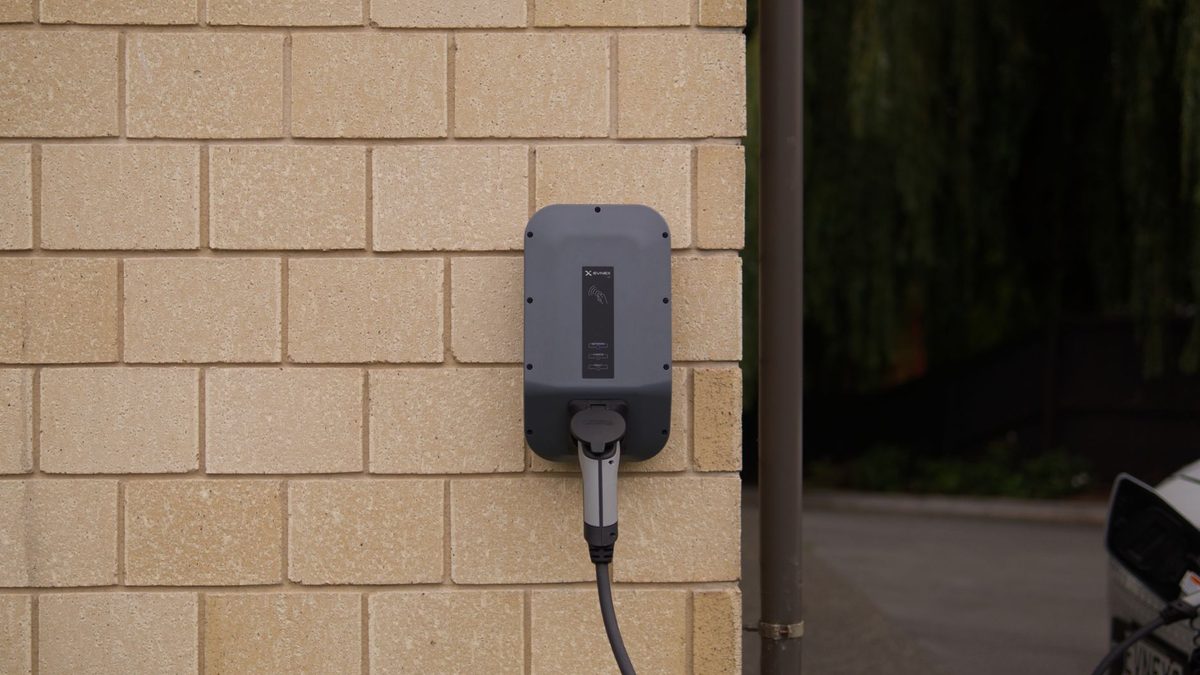
The dollar ranges in this Richmond Hill guide are illustrative planning examples, not verified paid quotes or provider prices. They assume installation labour and circuit materials; charger hardware and HST are extra. ESA notification/inspection fees, utility charges and additional building or ground work must be confirmed separately in the written quote. Do not assume an example is a complete installed price.
An EV charger estimate in Richmond Hill depends on the cable route, available electrical capacity, equipment and any additional work. Properties around Oak Ridges and Langstaff can present different layouts. This guide explains the cost components to compare; the service provider confirms the contractor and project-specific terms after review.
The factors that actually move your price
Five things decide where a Richmond Hill job lands in that range. None of them is a mystery once you can see your own setup.
- The cable run. A long route from a front basement panel to a rear or detached garage is the single biggest driver in larger homes.
- Panel headroom. A panel review and load calculation establishes whether the new circuit fits or whether the service needs attention.
- Finished walls and ceilings. Fishing cable through a finished basement takes more labour than an open joist run.
- Charger type. A hard-wired unit, a Tesla Wall Connector, or a plug-in 240-volt outlet each carry slightly different work.
- Whether the unit is supplied. Some quotes include the wall charger, others assume you bring your own.
Illustrative installation budgets
| Situation | Illustrative budget |
|---|---|
| Panel in or beside the garage, short run | $1,100 to $1,500 |
| Larger detached home, 15 to 25 metre run | $1,500 to $2,100 |
| Long route, finished walls, or detached garage | $2,100 to $3,000 |
| Job that also needs a service upgrade | add $1,800 to $4,000 |
Why larger homes can cost a little more
The bigger the house, the longer the potential run and the more competing loads on the panel. A spacious home with electric heat, central air, an electric range, and a hot tub uses a lot of its service before a charger is added. That is exactly why a Level 2 installation here starts with a careful load calculation rather than an assumption. The good news is that many Richmond Hill homes already sit on a 200-amp service, which keeps the panel side simple.
Permits and the ESA inspection
New charger wiring or a new circuit in Richmond Hill requires an ESA notification before work starts. If you hire someone for electrical work, use a Licensed Electrical Contractor. Confirm who files the notification, how ESA review or inspection is arranged, and the included fees. Plugging into an existing suitable receptacle is a different situation from installing new wiring. Check ESA requirements.
Where the savings are
The least expensive installs are the tidy ones: a 200-amp panel close to the parking spot and an open path for the cable. If your panel happens to sit in the garage, you are already near the bottom of the range. Where capacity is tight, a load-managing smart charger often avoids a service upgrade entirely, which can save several thousand dollars compared with replacing the panel.
Comparing two quotes fairly
Compare the same scope in each written proposal: charger hardware, circuit labour and materials, current limits, monitoring equipment, ESA fees, utility coordination, trenching or wall repairs, tax and warranty. Ask which items are included, excluded or provisional before choosing a contractor.
Installation facts and equipment guidance
ESA notification and contractor requirements explain electrical-work responsibilities. Manufacturer charging guidance explains why output varies by vehicle and power supply. Ask the confirmed contractor to apply those requirements to your Richmond Hill project.
First enquiry and later project review
Start with the short enquiry form: first name, preferred contact details and postal code. After first contact, the service provider may request the project details and photos below. The form does not take attachments.
A firm price comes back faster when your contractor can see the basics up front:
- Your EV make and model, or the charger you plan to use
- A photo of your panel with the door open
- A photo of the garage or spot where you want the charger
- The rough distance from the panel to that spot
Start with Get A Free Quote. Your enquiry goes to the service provider, which may ask for panel and parking photos after first contact and confirms the contractor, scope, price and availability.
Frequently asked
How much does EV charger installation cost in Richmond Hill?+
A useful budget includes the finish requirements and the actual supply path, not just the unit. Ask for hardware, electrical work, approvals and any access repairs to be itemized before accepting the total.
Why are quotes higher for larger detached homes?+
A larger house may put the service farther from parking or carry more existing demand. Ask which route, access or capacity work actually explains the higher figure rather than accepting size alone as the reason.
Is the wall charger included in the price?+
A contractor-supplied unit should be named in the proposal. Otherwise treat the figure as installation work and add suitable hardware, mounting accessories and applicable tax before comparing complete prices.
Does the cost include the ESA inspection?+
Ask what is covered for ESA notification, review and completion documentation. A neat-looking installation still needs its electrical responsibilities defined, so keep those items visible in the written scope.
Can I keep the cost down without a panel upgrade?+
The assessed household demand decides whether a different current setting or managed design is suitable. Compare those options with the upgrade, including any monitoring equipment rather than equating app control with capacity management.