EV Charger Installation for Richmond Hill Detached Homes
A detached home in Richmond Hill gives you space and choices for an EV charger, but a longer panel-to-garage distance and a heavier electrical load are the two things that shape the install.
Published
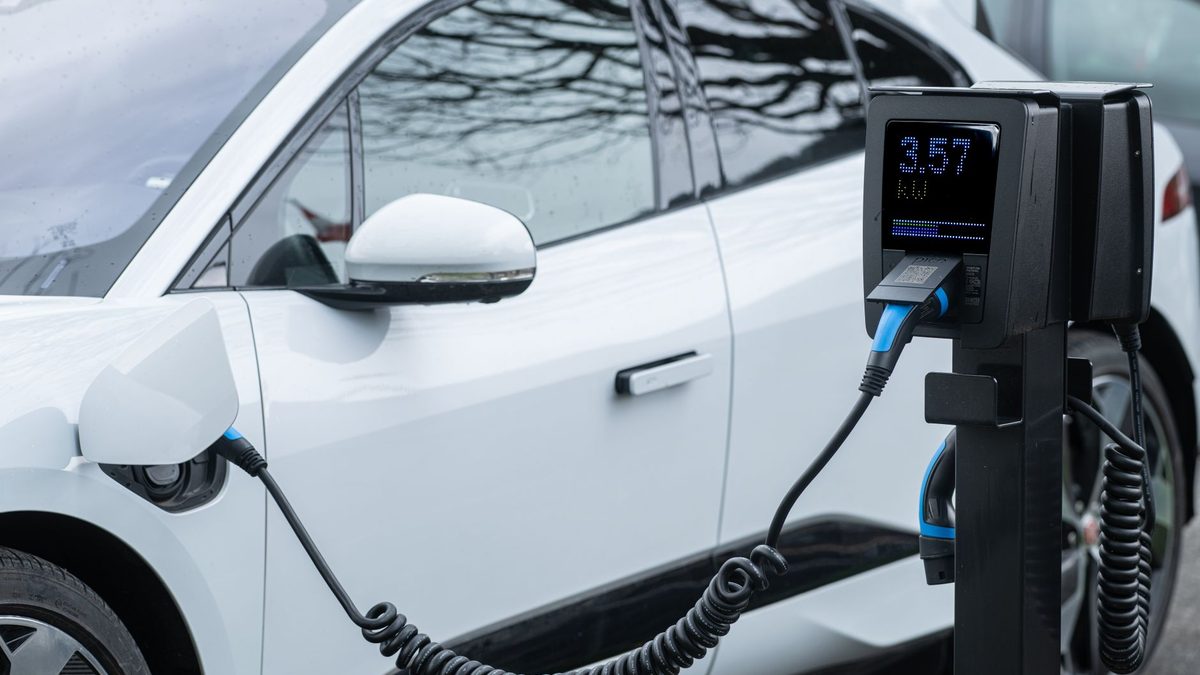
Detached homes are the heart of Richmond Hill, and they bring real advantages for EV charging: a garage, room on the panel in many cases, and clear places to mount a charger. Richmond Hill EV Charger Pros installs in these homes every week, and the two recurring themes are the distance from the panel to where you park and the electrical load a larger house already carries. This guide works through both, plus the planning that makes the install last.
Garage, driveway, or exterior wall
A detached home usually gives you more than one sensible charger location:
- Inside an attached garage, the most common and tidiest spot
- On an exterior wall facing the driveway, using an outdoor-rated unit
- Out at a detached garage, sometimes with a subpanel feeding it
The right choice balances where you actually park, how the cable reaches your charge port, and the cleanest route from the panel. We walk the options with you rather than defaulting to one.
Panel distance is the big variable
In a larger detached home, the panel often sits in a front basement corner while the garage is at the other end of the house. That distance is the main thing separating a quick install from a longer one. A long run needs more cable, sometimes a heavier gauge to manage voltage drop, and more labour to route cleanly. We size the wire correctly for the distance, because under-sizing it to save money is exactly the wrong economy on a run like this. A clean Level 2 install hides the route in conduit and finished walls wherever it crosses living space.
High-load appliances and your panel
Bigger homes carry bigger loads. Central air, an electric range, a dryer, and sometimes a pool or hot tub can use a lot of the service before a charger joins them. That is why we begin with a load calculation. Many Richmond Hill detached homes are on a 200-amp service with room to spare, and where a panel is closer to its limit, a smart charger with load management keeps the charger from ever adding to a peak. If the service is genuinely full, a panel upgrade is the lasting fix.
Planning for a second EV
This is the single most useful piece of forward planning in a detached home, because a second EV is common here. While the install is open, it costs little to size the circuit generously, leave a panel space, or choose a unit that supports power sharing. Retrofitting any of that after the walls are closed is far more expensive, since it usually means re-opening a finished wall and pulling a fresh feed across the same long run we just routed. A two-car garage with a single charger today is the textbook case: leaving room on the panel and a stub for the second circuit now turns next year's job into a half-day add rather than a repeat of the whole install. If two Teslas are likely, our Wall Connector page covers linking units to share a circuit. We raise these choices during the assessment so you decide with the full picture.
Charger placement and cable management
Placement is not only about the wall. We mount the unit at a comfortable height, position it so the cable reaches without strain, and tidy the cable so it is not dragged across the floor or left to ice up by a side door. In a two-car garage, getting the side and height right means both parking spots stay usable. Small placement decisions like these are what separate a charger you barely notice from one that is a daily nuisance.
Permits and the ESA inspection
A detached-home install needs an electrical permit and an ESA inspection, both folded into your fixed price. EV charger installation should be completed by an ESA-licensed electrical contractor, and a passed inspection gives you clean records for insurance and resale.
What to send before requesting a quote
- A photo of your panel with the door open
- A photo of the garage or exterior spot where you want the charger
- The rough distance from the panel to that spot
- Whether a second EV is likely down the road
Planning a charger for a detached home? Send your photos to EV charger installers in Richmond Hill through the quote form and we will design the route, size the circuit for today and tomorrow, and quote one fixed price.
Frequently asked
What makes a detached-home charger install different in Richmond Hill?+
Two things: the panel-to-garage distance and the electrical load. Larger detached homes often have the panel at one end and the garage at the other, which means a longer cable run, and they carry heavier loads that a load calculation has to account for before the charger goes in.
Where should I mount the charger in a detached home?+
Usually inside an attached garage, on an exterior wall facing the driveway, or out at a detached garage. The right spot balances where you park, how the cable reaches your charge port, and the cleanest route from the panel. We walk the options on site.
Does a longer run to the garage cost more?+
Yes, somewhat. A longer feed needs more cable and sometimes a heavier gauge to manage voltage drop, plus more labour to route it cleanly. That is normal for a larger detached home, and the wire sizing should never be reduced to cut cost.
Should I prepare for a second EV?+
It is worth doing in a detached home, where two EVs are common. Sizing the circuit, leaving a panel space, or choosing a power-sharing unit while the install is open is far cheaper than reworking it later. We flag these options during the assessment.
Will my high-load appliances affect the install?+
They can. Central air, an electric range, and a pool or hot tub use part of your service, so we run a load calculation first. Many detached homes here are on 200 amps with room to spare, and load management handles a busier panel without a full upgrade.