How Much Does It Cost to Charge an EV at Home in Richmond Hill?
Charging an EV at home in Richmond Hill costs most households $35 to $70 a month when they charge overnight on Alectra time-of-use rates. Even with a large battery and plenty of family driving, that stays well below the gasoline equivalent.
Published
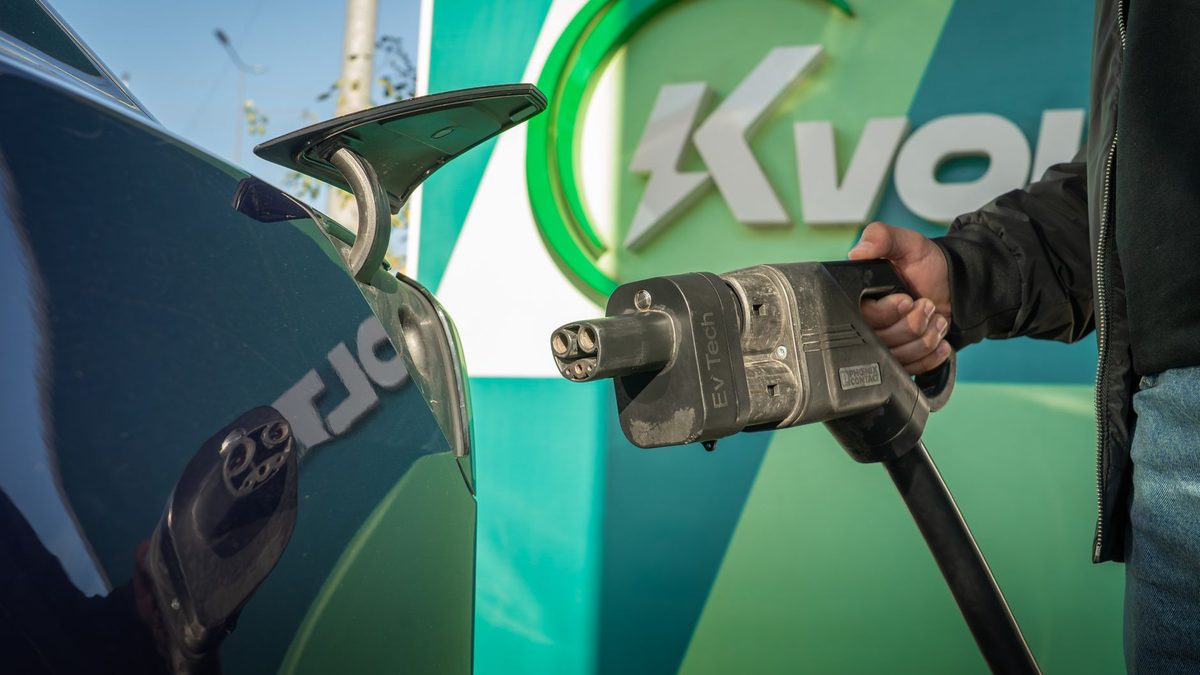
The install is a one-time line; what follows it is the part you actually budget for, and in Richmond Hill that monthly number lands gently. Richmond Hill EV Charger Pros configures the charge to fall in the overnight hours, so even the larger-battery EVs and the busy family calendars common across town stay inexpensive to feed. This guide shows the math on Alectra rates, with examples you can map to your own driving.
What actually sets your monthly number
Three things decide the bill, and for a Richmond Hill household two of them tend to run high. How far the family drives is the first, and a spread-out town with school runs and Toronto commutes adds up. Your EV's appetite is the second: most cars draw 15 to 20 kWh per 100 km, but the larger SUVs and trucks favoured on local driveways sit at the top of that band, so use 18 to 20 for one of those. The overnight Alectra rate per kilowatt-hour is the third, and it is the cheap one. Put together, monthly kilometres times the car's draw times the off-peak rate gives your figure, and a two-car home simply runs that sum twice and adds them.
Worked Richmond Hill examples
| Family driving | Energy used | Monthly cost (overnight rate) |
|---|---|---|
| 1,200 km / month | about 220 kWh | roughly $30 to $42 |
| 1,800 km / month, larger EV | about 340 kWh | roughly $48 to $66 |
| 2,400 km / month, two-car household | about 450 kWh | roughly $62 to $88 |
These assume charging in the cheapest overnight window. Charge during peak afternoon and evening hours instead and the same kilometres cost noticeably more, which is the entire argument for scheduling.
Why overnight charging wins
Residential Alectra billing runs on time-of-use or tiered pricing, and overnight is where the rate bottoms out. Program a Level 2 charger to begin once the off-peak period opens and the car takes its charge at the cheapest price of the day while the house sleeps, even a larger pack finishing well before the morning run. Our Alectra rates guide works through the billing side in more depth.
Larger batteries do not cost more per kilometre
A common worry is that a big-battery EV is expensive to charge. It is not, per kilometre. A larger battery simply holds more energy and takes longer to fill, but the cost to add a given distance of range is the same. What changes your bill is how far you drive and when you charge, not the size of the pack. For a household covering plenty of ground, that distinction is reassuring.
Smart charging and saving more
A smart charger takes the saving off your hands. Tell it to run only in the off-peak hours and it holds to that every night, with most units logging the energy and dollars each session actually used and many taking an app schedule so the timing is never your problem. Across a year of feeding one or two larger EVs in a Richmond Hill household, that steady discipline is where the real money is kept. Tesla drivers can see scheduling on that unit on our Wall Connector page.
Comparing with gasoline
For context, a gas SUV covering 1,800 km a month can easily cost $220 to $280 in fuel. The same distance in an EV charged overnight in Richmond Hill is closer to $50 to $66. That gap is the running-cost case for electric, before you count the lower maintenance. Over a year of family driving, the difference between fuelling a gas SUV and charging an EV overnight can run into the thousands, which is why the home charging setup pays for itself for many households here.
Winter and family driving
Richmond Hill winters do raise charging costs for a stretch. In cold weather an EV uses more energy per kilometre because of cabin heating and reduced battery efficiency, so monthly cost climbs from December through February. Preconditioning the car while it is still plugged in, which warms the battery and cabin from grid power rather than the battery, softens the hit and means the family leaves with a full, warm car. A smart charger that schedules a finish time right before the morning run makes this effortless.
What to send before requesting a quote
- Your EV model and roughly how far the household drives each month
- A photo of your panel, so we can size a charger that finishes overnight
- Where you park, garage or driveway
Want the car to fill at the cheapest Alectra hours without you thinking about it, even with two larger EVs in the household? Tell the Richmond Hill EV Charger Pros team how far the family drives on the quote form and we will size a Level 2 setup that finishes inside the overnight window and keeps the monthly running cost down.
Frequently asked
How much does it cost to charge an EV at home in Richmond Hill?+
Most households spend $35 to $70 a month charging at home on Alectra time-of-use rates, charging overnight. The figure depends on how far the family drives and the car's efficiency, but it stays well below the gasoline equivalent even with a larger battery.
Does a larger-battery EV cost more to charge?+
Not per kilometre. A bigger battery holds more energy and takes longer to fill, but the cost to add a given distance of range is the same. Your bill is driven by how far you drive and when you charge, not the pack size.
Is overnight charging cheaper on Alectra?+
Considerably. The off-peak overnight block is the lowest rate Alectra charges, so a car set to start after off-peak begins fills at the cheapest price while the household sleeps. Push the same kilowatt-hours into the peak afternoon and evening hours and they cost a good deal more.
How do I estimate my own charging cost?+
Start with the household's monthly distance, apply your EV's draw of roughly 15 to 20 kWh per 100 km (toward the top for a larger SUV), and price the result at your overnight off-peak rate. For a two-car family that is two estimates added together. A smart charger then reports the real numbers each month so you are not working off an estimate for long.
Will charging two EVs spike my bill?+
It adds a predictable amount rather than a spike, often $60 to $90 a month for a two-car household with typical driving when both charge overnight. Scheduling both cars to the off-peak window keeps that addition as small as possible.